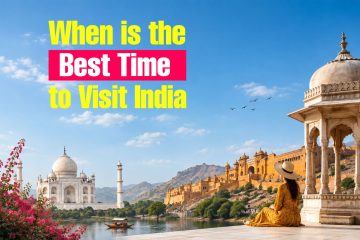
India is a large country which offers a number of destinations to explore. Thus, planning your first India tour from the UK can be overwhelming. That’s why many first-time visitors prefer the Golden Triangle Tour. This tour provides a great introduction to Indian markets, ancient forts, chaotic streets and grand palaces. Here’s a beginner-friendly guide that will help you explore the iconic routes of the Golden Trinagle in India.
What Is the India Golden Triangle Tour?
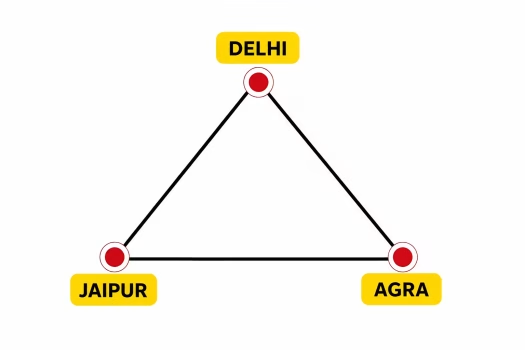
The Golden Triangle tour in India consists of a route to India’s northern cities – Delhi, Agra and Jaipur. Together when you look at these cities and connect them on the map, a triangular shape is formed – that’s where the name ‘Golden Triangle’ comes from. These cities are also known for their rich culture, history and architecture, which truly offer a golden experience to tourists visiting these spots.
Why Visit the Golden Triangle in India
The Golden Triangle tour is a great choice for holidays to India. It is one of the easiest routes to explore India’s most iconic attractions in just one short trip, which takes about 6-7 days to complete the journey. This route allows visitors to see the lively streets of Delhi, admire the beauty of the Taj Mahal and experience the royal charm of Jaipur. For tourists who want to discover different sides of India without travelling across the whole country, the Golden Triangle is the suitable Indian trip.
How to Plan the Golden Triangle Tour in India?
Start with the Capital of India, Delhi
Begin your Golden Triangle journey by visiting Old Delhi. Start by visiting the Red Fort, a large fortress known for its Mughal architecture and history. Along the way, take a look at India’s largest mosque, Jama Masjid, which was built in the 17th century and is considered to capacitate up to 25,000 worshippers. Then, take a cycle rickshaw to travel through the historic streets of Chandni Chowk, where you can explore the markets and shops and enjoy the street food.
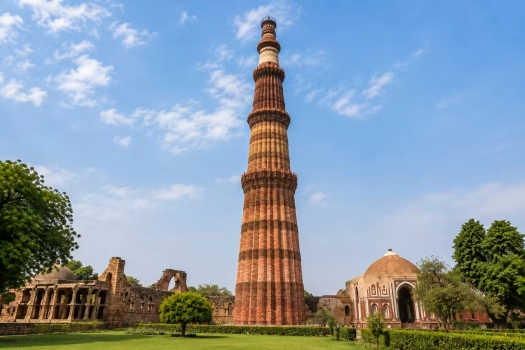
Continue your exploration of the Golden Triangle from New Delhi. Here the roads are much wider than the narrow streets of Old Delhi. This part of Delhi shows the blend of Indian history with modern life. The Bangla Sahib Gurudwara, in New Delhi, has important significance in Sikhism. There you can eat langar, which is a free meal served to each visitor by the community kitchen. At last, visit Delhi’s iconic 13th-century stone tower, Qutub Minar, standing at 73 metres high before heading towards Agra.
Experience the Romantic Beauty of Agra
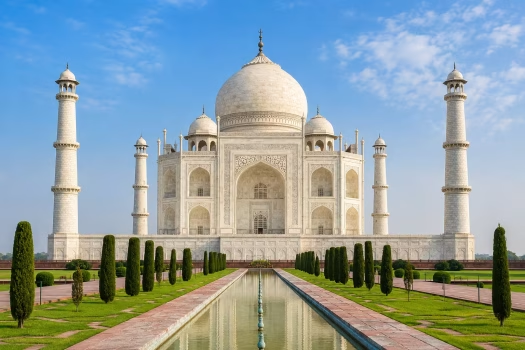
The next stop on the Golden Triangle is Agra, famed for the magnificent Taj Mahal. It is said that the mausoleum was built by the fifth Mughal emperor, Shah Jahan, as a representation of his love for his deceased wife, Mumtaz Mahal.
Before you get heart felt by this romantic lore, let’s get back to the guide.
Instead of rushing to the Taj Mahal, first visit the Mehtab Bagh, which is a beautiful garden located across the Yamuna River. From there, you get beautiful panoramic views of the Taj Mahal, especially during the sunset.
In order to see the beauty of the Taj Mahal at its finest, sunrise is the best time. In the morning, you get to see a shift in the colour of the white marble of the mausoleum from pink to gold, providing a magical experience. After exploring the Taj Mahal, plan your visit to the Agra Fort and Baby Taj.
Visit the Historic Fatehpur Sikri
After leaving Agra, take a stop at Fatehpur Sikri before heading towards Jaipur. This city once served as the capital of the Mughal Emperor Akbar for fourteen straight years. However, it was eventually abandoned because of serious water shortages, military issues, and shifts in Akbar’s political plans.
Besides its Mughal history, the city is famous for its red sandstone buildings, grand courtyards and beautiful gateways. As you walk through the city, you get a chance to see how people lived and how buildings were designed during the Mughal period. This makes the city a perfect place to stop when travelling between Agra and Jaipur.
Discover the Pink City, Jaipur
Start your day by visiting the Hawa Mahal, which is a unique structure made of sandstone and has 953 honeycomb-like windows. These windows were used by women of the royal household to watch the streets without them being seen.
Head to Amber Fort (Amer Fort), a UNESCO World Heritage Site situated in the Aravalli Hills. As you walk through the fort, you’ll come across twisting hallways, beautifully decorated rooms, narrow staircases, and breathtaking views of the Aravalli hills.
Then, visit the City Palace, which has deep significance to Jaipur’s royal heritage. While exploring the palace, you will come across museums, courtyards, royal residences and the fusion of Rajputana and Mughal architecture.
After that, visit Jantar Mantar, which is a historic astronomical observatory. There you can find instruments that were used to study the movement of the sun, stars and planets. You will be fascinated by how people at that time would have built these instruments before modern technology.
Lastly, take a look at the vibrant bazaars in Jaipur. In the market, you can find handblock-printed clothing, pottery, kundan jewellery, and leather items. You can also enjoy a hot-air balloon ride and see the royal city from above. 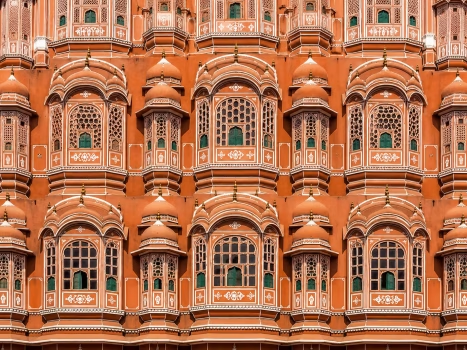
Back to Delhi
Now it’s time to return to Delhi. From there, you can catch a flight back to the UK or keep enjoying your holidays in India by heading to South India and exploring its natural wonders.
Here’s our blog about the best places to visit in South India if you are planning on continuing your journey in India – Read now.
Best Time to Visit Golden Triangle India
The best time to visit the Golden Triangle in India is somewhere between the period of October and March, where the temperatures are comfortable enough for travelling throughout the day.
Winter: October to February
This is the prime time for the Golden Triangle tour, as weather between October and February remains clear and calm, which is good for sightseeing and travelling between cities. Make sure to wear light, warm clothes, as days may feel warm, but in the evenings the temperature drops and it becomes chill and cold.
Summer: March to May
Temperatures can quickly rise during summers. While March may still be alright for exploring the Golden Triangle, from April things just get hotter. If you are planning on outdoor sightseeing, it is better to go during late afternoon or evening. Additionally, apply sunscreen and wear a hat and shades when going out.
Monsoon: June to September
Frequent rainfall is very common between June and September with extreme humidity. Heavy rainfall can affect travelling due to flooding, landslides and droughts. Avoid visiting the Golden Triangle in the monsoon.
Experience the Golden Triangle with India Tours & Travels
If you are thinking of the Golden Triangle India Tour this year, our travel experts have brought together an exclusive Golden Triangle of India holiday package. This is a 7-day private journey that will cover travel to Delhi, Agra and Jaipur along with hotel accommodation and a local guide.
You can view complete details of our Golden Triangle India holiday package here.
For tailor made holidays, send an enquiry here.
FAQs
1. How many days do I need for the Golden Triangle in India?
6 to 7 days are enough to cover the Golden Triangle tour, which includes Delhi, Agra, and Jaipur. But if you want to stay longer and explore more, there are also customised tour packages available.
2. Is the Golden Triangle suitable for first-time visitors in India?
Yes, the Golden Triangle is often suitable for most first-time visitors to India. This route consists of a network to India’s most iconic cities – Delhi, Agra and Jaipur – each known for its famous landmarks, culture and history.
3. What is the best way to travel between Delhi, Agra, and Jaipur?
Most tourists often hire a private car or use public transport (bus or train) to travel between Delhi, Agra and Jaipur. On the other hand, if a tourist has opted for a travel package, usually a private vehicle is used for transfer between the cities.
4. Do I need a local guide for the Golden Triangle tour?
You may not necessarily need a local guide for the Golden Triangle tour, but having one by your side can enhance your travel experience, as they have deep knowledge about the culture and location and can assist if you face any problem during travel.